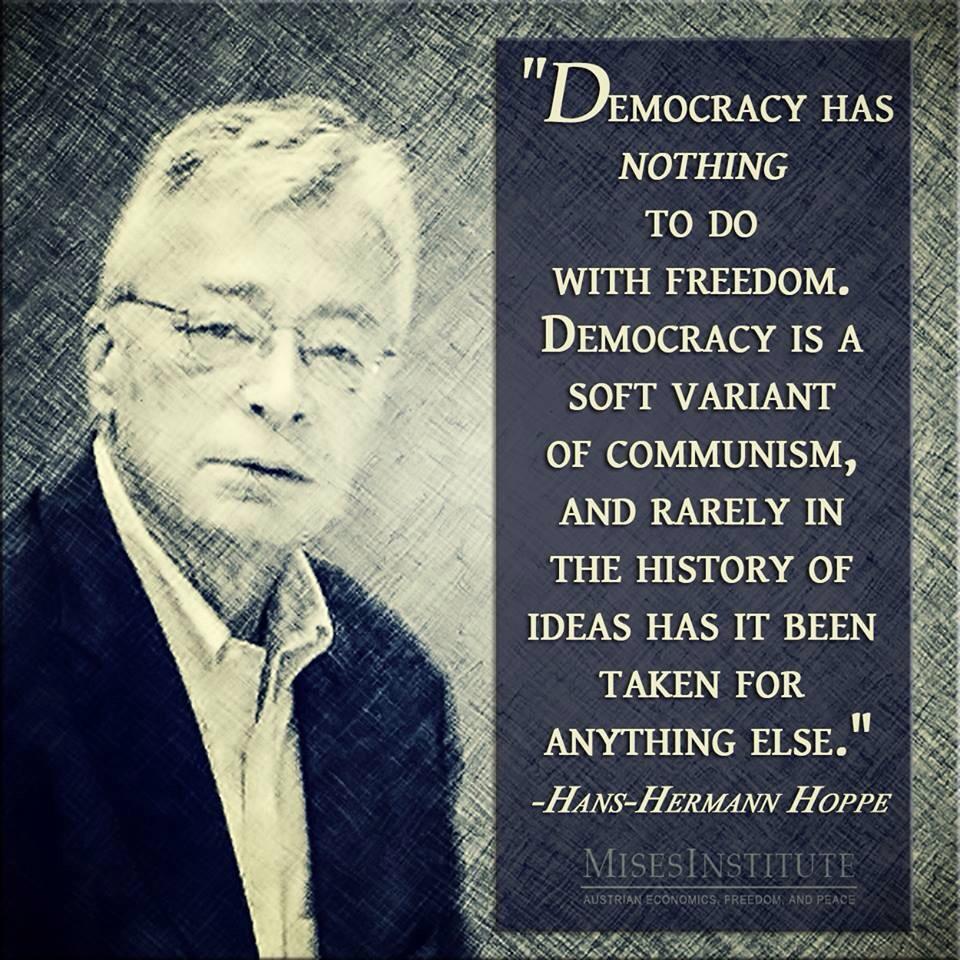
U 2023. godini, Havijer Milej je postao nova nada libertarijanizma, pošto je uspeo da se, uz otvorenu anarho-kapitalističku retoriku, izabere za predsednika veoma levog i veoma problematičnog države. Od tada je pod pažljivim nadzorom libertarijanaca, i postepeno oni počinju da mu okreću leđa. To je neizbežno. Probleme minarhizma kao pristupa političkom nametanju libertarijanizma od strane države, označio sam u odgovarajućem poglavlju moje knjige o ankapu. Ali ovde imamo nešto drugačiju situaciju: libertarijanci okreću leđa Mileju ne zato što je previše radikalan, već zato što nije dovoljno radikalan. Svaki kompromis rađa razočaranje pristalica, a neki od njih počinju da razmišljaju i o tome da je on od početka bio „poslat“, i da je Milej postavljen kako bi se libertarijanizam diskreditovao.
Među ove poslednje spada takav majstor austrijske ekonomske škole kao što je Saifeddin Ammus, autor knjiga „Bitcoin standard„, „Fiatni standard“ i još jedne koja nije dobila prevod na ruski. Njegov nedavni tvit u kojem razotkriva Milejevu politiku bio je preveden od strane izdanja SVTV i i dalje se diskutuje u ruskoj libertarijanskoj zajednici. Ranije se od Mileja okrenuo drugi istaknuti libertarijanski teoretičar, Hans-Herman Hope. Verovatno ću morati da istražim šta se zapravo dešava u Argentini, i da li već treba da počnem da se pravdam pred socijalistima da je to bio pogrešan libertarijanizam, kao što su počeli da čine Ammus i Svetov.
Imam malo insajderskih informacija o Argentini: jedni govore da je postalo malo bezbednije, drugi se žale da je postalo primetno skuplje, treći tuguju što je imigrantima postalo teže da se naturalizuju. Zato je sproveden ispitivanjem ChatGPT-a. Željni mogu pogledati stenogram ovog razgovora, a ja odmah prelazim na svoja razmišljanja.
Šta se ispostavilo kao neprijatno iznenađenje za mene?
Budžetski suficit, toliko reklamiran u hvalisavim člancima, nije baš suficit. Država prikuplja više poreza nego što troši na činovnike, državne zaposlene, vojsku, infrastrukturu i tako dalje, ali s obzirom na neophodne isplate po starim zajmovima, i dalje je u minusu, pa zato ponovo zajačuje.
Milej zaista povećava troškove za vojsku. Da, iz pozicije minarhista, nacionalna odbrana je isključivo državna prerogativa, međutim, u uslovima kada komšije ne prete državi, ovo povećanje troškova je potpuno neblagovremeno. Mogu samo pretpostaviti da je to diktirano željom da organizuje drugi Folklendski rat, ako bude hitno potrebno da podigne svoju popularnost pred kampanju za drugi mandat.
Inflacija zaista ponovo ubrzava.
Migraciona politika se zaista pooštrava, i u velikoj meri je ekonomski besmislena.
Ključni napad Hopea i Ammusa na Mileja, o tome da nije zatvorio centralnu banku, sličan je prebacima da nije skinuo mesec sa neba. Sam Milej nije imao takva ovlašćenja. Ovlašćenja je imao parlament, ali on nije usvojio taj zakon. Šta treba da rade svetski libertarijanski autoriteti u ovom slučaju? Sigurno ne da ga optužuju za to da uopšte nije nameravao ništa da zatvara. Tim više što on, iako nije uspeo da zaustavi štampanje pesoa, je barem svojim dekretom dozvolio korišćenje bilo kojih valuta i robe u privatnim ugovorima. Tako da Ammus može biti miran: Argentinci imaju pravo da slobodno pređu na bitcoin standard u privatnim obračunima, a samo za obračune sa državom da kupuju državne papiriće.
U celini, Milej po mom mišljenju veoma efikasno koristi priliku koja mu se pružila da Argentinu u nekim stvarima učini slobodnijom, međutim, trebalo bi da se pobrine i za to da u budućnosti bude teško bilo kom njegovom oponentu, ako zauzme predsedničku stolicu, da poništi ove promene. Čisto tehnički, proširujući ovlašćenja izvršne vlasti, Milej zapravo, naprotiv, olakšava mogućnost ukidanja većeg dela svojih reformi jednostavnom serijom dekreta. Već sada je jasno da na predstojećim parlamentarnim izborima neće dobiti većinu, što znači da je za njega važno posvetiti maksimalnu pažnju PR-u. Dobijene slobode moraju izgledati društvu toliko potrebnim i prirodnim da njihovo oduzimanje deluje nezamislivo. U principu, nešto slično je uspelo Saakašviliju. Gruzijski san je zategao šrafove u sferi politike, poslao Saakašvilijeve pristalice u zatvore, ali se plaši da dira ekonomske slobode, a u nekim stvarima je čak oprezno nastavio liberalizaciju.
Po čudnoj slučajnosti, i Hope i Ammus su jednoglasni u kritici postupaka izraelske države prema Palestincima, dok Milej naglašeno stoji na strani Izraela. Zadržavam snažnu sumnju da je upravo taj faktor uzrok njihove želje da kritikuju Mileja, a kada postoji predrasuda, argumenti se uvek mogu pronaći.
Oba kritika tvrde da Palestinci imaju pravo da vode rat protiv Izraela, pošto su prekršena prava svojine Palestinaca na njihovu zemlju. Međutim, palestinski Arapi u celini nikada nisu imali naročito legitimna prava svojine na tu zemlju sa stanovišta libertarijanaca. Njihovi preci su osvojili Palestinu, uključujući i od Jevreja. Zatim su njih osvojili Turci. Zatim su Turci izgubili Prvi svetski rat, i njihovo nasledstvo su raspodelili Britanci.
Konkretan Palestinec uvek može odbraniti svoje pravo svojine na konkretnuParcelu zemlje koja je pripadala njegovom dedi i koju je oduzela država Izrael. Ako je saglasan da mirno živi na toj svojoj zemlji, koji su problemi? Međutim, ovaj Palestinec odbija analogično pravo Jevrejima, čak i ako su njihovi dedovi kupili svoje konkretne parcele zemlje u okviru dobrovoljnih tržišnih transakcija. A to znači, prema principu estopela, da ne može insistirati ni na povraćaju sopstvene zemlje, jer priznaje pravo jednog naroda da silom protera drugi narod sa njegove zemlje.
Izraelski Jevreji i prijateljski im izraelski Arapi imaju u mojim očima potpuno pravo da isele neprijateljske palestinske Arape u bilo koju državu koja pristane da ih primi. Naravno, za to je poželjno raspoređivati palestinske Arape u malim grupama, naseljavati ih razdvojeno, i ni u kom slučaju im ne dozvoliti da se okupljaju u geta, odnosno osigurati im potpuno pravo na rad i poslovanje, ali im ne davati nikakvu socijalnu pomoć, osim male sume za početak. To je, nesumnjivo, etničko čišćenje (de facto ideološko, jer sama pripadnost Arapima još uvek ne čini čoveka neprijateljem Jevreja). I to je, nesumnjivo, poželjnije od genocida. Ali ako je svetska javnost protiv etničkog čišćenja, šta se može učiniti, biće genocida.
Zašto Milej podržava Izrael? Nadam se da u tome ima više pragmatizma (potencijalne ekonomske veze sa Izraelom i SAD, podrška jevrejskoj dijaspory u Argentini, distanciranje od retorike prethodne argentinske vlade) nego emocija, ali ne mogu isključiti ni to da je ta podrška njegova greška, pošto je dobio mandat pre svega za spasavanje sopstvene zemlje, a ne za pomoć stranoj državi. Nadam se da će pristalice Hopea i Ammusa ih smiriti pre nego što njihova slepa mržnja prema Mileju počne da nanosi opipljivu štetu argentinskim liberalnim reformama, i da će Milej sam umeriti stepen svoje javne podrške Izraelu kada oseti da to ugrožava njegovu politiku.
U celini, argentinske reforme jasno pokazuju da se samo politikom ne može izgraditi libertarijansko društvo. Milej radi svoj deo posla, ali ne može uraditi sve. Libertarijanci ne smeju zaboraviti svoj deo. I to nije samo, i ne toliko, konstruktivna kritika lokomotive reformi. Mnogo je važnije isticati njegova stvarna dostignuća pri svakoj pogodnoj prilici na svakom javnom prostoru, odbraniti pravo ljudi na slobodu, carajo! – i živeti u skladu sa svojim predstavljenjem o tom pravu.
Hvala svima na pažnji, tema je ispala složena. Italik je onaj deo teksta bez kojeg se verovatno moglo i zaobići, ali nekako nije išlo. Neka ostane za generisanje svađa.
Knjiga Hansa-Hermana Hopea „Demokratija – sročeni bog“ nije celovit traktat, već više zbirka eseja, raspoređenih redosledom koji omogućava prilično dosledno izlaganje autorovih ideja. Međutim, takva kompozicija neizbežno rađa ponavljanja, i autor koji više poštuje svoje čitaoce mogao bi, bez štete po rezultat, da smanji obim knjige za oko trideset procenata. Ali takav pristup ima i prednosti: bilo koje od poglavlja knjige se po želji može čitati potpuno izolovano od ostalih. Neću analizirati delo poglavlje po poglavlje, već ću se dotaći glavnih ideja knjige, ukazujući na ono što mi se činilo vrednim, a šta pogrešnim ili nedovršenim.
Vremensko preferiranje i porodične vrednosti
Hope počinje pričom o tome šta je vremensko preferiranje i kako ono ima tendenciju da se smanjuje u civilizovanijem društvu i povećava u varvarskijem. Iz toga izvodi zaključak da su mere za uređenje društva koje povećavaju vremensko preferiranje mere koje decivilizuju, a samim tim su štetne – i obrnuto.
Takođe, on se dotiče i drugog faktora koji utiče na ljudsko vremensko preferiranje, a to su faze njegovog života. U detinjstvu je vremensko preferiranje visoko, dete ne želi da čeka kako bi postiglo svoje trenutne ciljeve. Sa godinama ono opada kako čovek širi svoje horizonte planiranja, a u starosti bi po ideji trebalo ponovo da se poveća, pošto ostaje sve manje vremena za život, i, kao što je Keynes s pravom primetio, u dugoročnoj perspektivi smo svi mrtvi, pa stoga nema potrebe praviti planove za period koji premašuje ostatak života.
Pa, Hoppe rado primećuje, postoji faktor kao što je porodica. Želja za prosperitetom roda omogućava čoveku da zadrži nisko vremensko preferiranje sve do duboke starosti, jer zna da će dobra koja je nakupio služiti koristi njegovog potomstva. Međutim, za to je potrebna organizacija ljudi u stabilne kolektive, nazvane porodicama. Dakle, bilo koja mera koja uništava porodice povećava vremensko preferiranje u društvu, odnosno jeste štetna i decivilizatorska. Odavde potiče sva Hoppeova mržnja prema komunistima, hedonistima i homoseksualcima, odavde potiče sav njegov konzervativizam. Radi uvođenja konzervativnih vrednosti, on je spreman da pozdravi bilo kakvo individualno potiskivanje u vidu izbacivanja individualista iz patrijarhalnih kolektiva, koji predstavljaju uporište istinske civilizacije.
Nije teško videti ovde elementarnu logičku zamenicu. Da, porodične vrednosti smanjuju vremensko preferiranje u starosti, ali ko je rekao da je to jedino što može da ga smanji? Ljudi veoma često ne potroše svoja imovinu do starosti, ali ne ostavljaju nužno sve deci. Umesto toga, iz nekog razloga koji je Hoppeu nepoznat, oni nastavljaju pažljivo da upravljaju kapitalom sve do smrti i ostavljaju ga raznim fondovima, kao što su to učinili neki Nobel, Karnegi ili Rokfel. Dakle, porodica očigledno nije jedini faktor koji smanjuje vremensko preferiranje u starosti, niti je faktor koji u najvećoj meri doprinosi progresu civilizacije. Fond, kao volja svog osnivača oblikovana u vidu pravnog lica, često se čak bolje nosi sa širenjem horizonta planiranja nego nepitko potomstvo, koje će uz to verovatno ubrzati smrt naslednika kako bi što pre sve potrošili. Na taj način, jedna od osnova Hoppeovog apologetizma konzervativizma ispostavlja se kao nestabilna.
Aristokratija, monarhija i demokratija
Centralni deo knjige je analiza toga kako društvo koje se nalazi u prirodnoj slobodi, najpre iz istih prirodnih razloga počinje da se navikava da za savet i rešavanje konflikata obraća najkompetentnijim svojim članovima, zatim ti ljudi postepeno pretvaraju u plemištvo, zatim plemiće potčinjava onaj najobeljeniji, koji postaje apsolutni monarh, konačno, monarha ukida treće staja, i u društvu uspostavlja red u kojem apsolutna vlast pripada društvu u celini, a u njegovo ime vladaju privremenici. Na svakoj od opisanih etapa dolazi do razgradnje lične odgovornosti upravljača za rezultate upravljanja, kvalitet usluga koje elita pruža društvu postaje sve niži, a cena sve skuplja.
Srećom, primećuje Hohpe, uprkos celom ovom regresu, ljudi su uspeli u razvoju raznih korisnih tržišnih mehanizama, i sada, da bismo vratili izgubljenu slobodu, nije potrebno da se vraćamo prirodnom plemištvu u njegovom arhaičnom obliku, dovoljno je samo da se sve usluge, koje danas država nameće monopolski, trguju na slobodnom tržištu.
Reformisati demokratsku državu u tom pravcu, po mišljenju Hohpea, neće biti moguće, jer ima previše onih koji upravljaju javnim dobrom, iskušenje da se koristi vlast za ličnu korist je preveliko, i nijedna libertarijanska partija ne može regrutovati toliko ideoloških neprijatelja države da bi ih postavila na sve državne funkcije. Srećom, većina uvek u tišini prihvata status quo, tako da da bismo je postavili pred činjenicu ukidanja države, nećemo morati čak ni da pobedimo na izborima po državnim pravilima, dovoljno je poljuljati čamac, a zatim usklađenim naporom odlučive manjine da ga prevrnemo.
Ukratko, dobija se neka vrsta pometnje. S jedne strane, dešava se progres društva, tokom kojeg se vremensko preferiranje smanjuje. S druge strane – regres sistema upravljanja društvom, usled čega se vremensko preferiranje povećava.
Ovde ne vidim poseban smisao u tome da se napada autor zbog toga što država verovatno nije sazrevala kao plod evolucije prirodne aristokratije i njenog plemenitog delovanja u rešavanju konflikata. Pre je ipak ona plod evolucije bande razbojnika i njihovih metoda rešavanja pitanja po principu bezpravlja, zatim po neformalnim pravilima, a potom i po zakonima. Nije toliko važno da li su Lok ili Gabs nevidljivo lebdeali nad vodama prvog dana stvaranja (lebdeali su obojica, naravno), s obzirom na to da u toku rekonstrukcije istorijskih zakonitosti različitim putevima dolazimo do istog zaključka u vezi sa željenim budućim promenama u organizaciji društva.
Prelepi ankap budućnosti
Najlepši deo knjige je opis funkcionisanja sistema privatnih osiguravajućih kompanija, koje jednostavno isplaćuju svojim klijentima osiguravanjem premije u slučaju nastanka takvih slučajeva kao što su pljačka ili krađa, ali usled toga iz čisto komercijalne kalkulacije prisilno ukidaju državu, jer će tako morati manje da isplaćuju klijentima osiguranje. Prezime Hajek se ne pominje ni jednom, ali ovaj opis je u potpunosti u skladu sa njegovom idejom spontanog poretka.
Ovde Hope iznosi dragocen razmatranje koje mi do sada kod drugih autora nije naišlo. Poznato je da mnogi skeptici tvrde: ako dva subjekta, koji imaju ugovore sa različitim agencijama za zaštitu, počnu da se sukobljavaju, to bi trebalo da dovede do rata agencija za zaštitu povezanih tim ugovorima. Dejvid Fridman odgovara na to da agencijama nije isplativo da ratuju, pa će stoga skloniti klijente u stranu, međusobno se dogovoriti, odlučiti ko je u pravu i staviti klijente pred činjenicu. To deluje logično, ali izaziva nedoumicu: čime je takav model bolji od trenutnog, državnog.
Hoppe daje drugačiju logiku. On ne govori ni o kakvim zaštitnim agencijama, zadatak kompanije je osiguranje klijentovih rizika. Ali osiguravaju se samo oni rizici nad kojima sam klijent nema vlast. Ako bi kompanija bez pogovora isplaćivala osiguranje od požara svakome ko osigura svoju kuću, a zatim je zapali, ona bi momentalno bankrotirala, zato se prilikom sastavljanja ugovora uvek navodi koje slučajeve ne smatraju osiguranim. Na taj način, u slučaju konflikta, samo strana koja nije bila agresor u tom konfliktu treba da bude priznata kao ona koja ima pravo na isplatu osiguranja. Štaviše, ako su obe strane ponašale se izuzetno provokativno, onda nije ni toliko važno ko je prvi prešao na otvoreno nasilje – takav slučaj, kada je klijent namerno izazvao štetu osiguranoj imovini, očigledno nije osiguran.
Drugo zanimljivo razmišljanje vezano je za faktore koji utiču na obračun insurance premija. Oni su veći što je veća vrednost osigurane imovine, i niži su što su troškovi njene zaštite manji. Na taj način, tržišna logika će dovesti do toga da će osiguravajuće kompanije, želeći da zarade maksimum, u potpunosti doprinositi rastu cene klijentove imovine, što se postiže, između ostalog, kroz njenu pouzdanu zaštitu i smanjenje verovatnoće štete – ali upravo to će dovesti do toga da margina počne da opada, pa će osiguravajuće kompanije morati da osvajaju sve nova tržišta, odnosno da dolaze u opasnija i siromašnija mesta, na primer, ona gde različite kriminalne grupe još uvek vode svoju banditsku delatnost, poput država ili drugih „gopnika“. Tako će delatnost osiguravajućih kompanija prirodno dovesti do ekspanzije bezbednosti i širenja jednom nastale ankap zone.
Rezime
Uprkos tome što autor u određenim slučajevima udovoljava sopstvenom ukusu i upada u „wishful thinking“, knjiga sadrži niz izuzetno korisnih ideja koje su za mene bile nove, sa kojima se slažem i koje ću u budućnosti koristiti. Čak i ako te ideje ne pripadaju samom Hoppeu, on u tom slučaju i dalje zaslužuje moj respekt kao njihov popularizator.
Čajni klub mi je poslao tri knjige koje su objavili: „Put ka ropstvu“ Hajeka, „Demokratija: srušen bog“ Hope i „Od diktature do demokratije“ Šarpa. Planiram da napišem recenzije za sve tri, a vi možete izabrati sa kojom da počnem.
Postoje tri puta: ka demokratiji, od demokratije, i ka ropstvu. Koji ćete put sami izabrati, kojim ćete put voditi svoju majku?
Обзор какой книжки вы бы хотели увидеть первым?
Хайек, Дорога к рабству
47%, 58 votes
58 votes47%
58 votes - 47% of all votes
Хоппе, Демократия: низвергнутый бог
41%, 51 vote
51 vote41%
51 vote - 41% of all votes
Шарп, От диктатуры к демократии
12%, 15 votes
15 votes12%
15 votes - 12% of all votes
Total Votes: 124
08.11.2019 - 07.04.2020
Voting is closed
Есть три книжки: к демократии, от демократии и к рабству. Какую обозреть первой?
Oleg Tarakanov (Laxy Catal) – prilično poznati teoretičar libertarijanizma u Rusiji, na koga sam već više puta morao da se pozovem na svom kanalu, dok konačno nismo uspeli da stupimo u lični kontakt. Intervju je rađen tokom nekoliko večeri putem dopisivanja na Fejsbuku, pa je kasnije morao dugo da se „pročišćava“ od sporednog oftopika i nekih neizbežnih ponavljanja teza koje su se javljale u tako dugom dopisivanju. Predstavljam vam ono što je na kraju ispalo.
Laxy Catal
Ankap-tjan
U ruskojezičnom internetu ste, koliko mi je poznato, prvi koji je počeo da propagira ideju ugovornih jurisdikcija, iako pod drugim nazivom. Smatra se da je prvi na tom polju bio Pol Emil de Puid. Na koji način ste došli do ove koncepcije?
Da, verovatno sam prvi u modernoj Rusiji koji je sve do kraja osmislio u glavi, ali je Aleksej Šustov ipak pretekao pisanjem teksta, gde je, po mom mišljenju, opisan čudan i nedovoljno razrađen hibrid obične teritorijalne države sa ugovornim jurisdikcijama unutar nje. Šustov tekst je malo ubrzao pisanje mog teksta, koji je dosledniji u oslobađanju od tradicionalne države i, što je najvažnije, koji unutar sebe ima „osiguravajuću paradigmu“ države. Šustovu nedostaje osiguranje. Pored toga, ja sam mnogo oštriji u terminima, ne stidim se da nazovem zaštitu za iznadu zaštitom i ostavljam klasičnu ideju „država je rezultat institucionalizacije reketa“ netaknutom, samo dodajući uz to osiguranje i nuklearno oružje, koje teritorijalne formacije čini velikim nepomičnim metama (inače, ova fraza je iz Hajnlajnovog „Petka“).
Termin „ugovorne jurisdikcije“ sam prvi put sreo u maloj članku Anatolija Levenčuka „Pružaoci mobilne državnosti“ u časopisu Kompjuterra. Takođe sam bio upoznat sa stavovima Gustava de Molinarija preko malog članka na Libertarijumu „Proizvodnja bezbednosti“. Takođe sam malo znao kako je bio organizovan reket devedesetih, i to da je dazda „krovu“ često bila manja od poreza, pri čemu je krov obezbeđivao zaštitu od poreske uprave i stvarno štitio one pod krovom. Dakle, ideja ugovornih jurisdikcija nije samo stara kao ideja, već je i mnogo puta sprovedena u praksi. Moja zasluga je u tome što sam je osmislio kao uslugu osiguranja i interpretirao „krovove“ kao konkurentne države na zajedničkoj teritoriji.
Možete li detaljnije opisati tu intelektualnu zajednicu u kojoj ste tada komunicirali? Koje su ideje bile u trendu, kako je vaša ideja prihvaćena, kakvi su bili prigovori i alternativne koncepcije?
Još početkom dvehiljaditih bio sam običan demokratsko-liberal u duhu Gajdara-Čubajsa. Ali, generalno nisam bio naročito zainteresovan za politiku, udaljivši se od nje nakon pobede nad komunistima 1991. godine. Određenim prekretnim trenutkom bio je neuspeh SPS-a na izborima za Dum u jesen 2003. (izgleda). Tada sam tokom zime skrenuo ka čistom ankapu, i nakon što sam ga pročešljao po glavi, nisam mogao da povežem sve delove. Može se reći da sam u tom trenutku počeo da razmišljam o ugovornim jurisdikcijama, iako nisam znao kako se to zove. Suštinski, želeo sam da izgradim u glavi takav politički svetski poredak koji se ne protivreči. Sve je to krčalo u glavi nekih pet-šest godina, verovatno, pre nego što se spojilo. Tokom tih pet godina mnogo toga je prihvaćeno, mnogo toga odbaceno. Ugovorne jurisdikcije, osiguranje, zaštita, nuklearno oružje – to je glavno, naravno. Moje podsvesno je samo sve prebiralo i kombinovalo, na kraju je sve došlo do izražaja (ali ne se sećam tog trenutka), ostajalo je samo da to izložim rečima. Svoj tekst „Osiguravajuće države“ poželeo sam da napišem do Lebedevskih čitanja, koja su se održala u maju 2009; tamo sam prezentovao tekst, detaljno ga ne prepričavajući, jer je prilično dug. Ljudi na čitanjima su obrazovani, „libertarijanska scena“, starije generacije ruskih libertarijanaca. Ideje koje sam pronašao objavljivao sam u svom ŽŽ-u kako ih bih pronalazio. Pronađena „osiguravajuća paradigma države“ veoma je impresionirala Anatolija Levenčuka, i on je o njoj napisao belešku, a nju su skoro svi čitali. Godinu ranije ideju ugovornih jurisdikcija na čitanjima je izlagao Šustov, tako da na samim čitanjima nisam izazvao nikakvu senzaciju, osim što je moju prognozu da je do realizacije ideje preostalo od sedam do petnaest godina narod impresionirala.
Inače, od te prognoze se ne odričem, iako je prošlo deset godina, mislim da će sve početi da se ruši za nekoliko godina.
Da li primećujete neku intelektualnu kontinuitet između onih starih libertarijanaca iz nultih godina i sadašnjih aktivista koji masovno dolaze u libertarijanski pokret? Ko od lidera mišljenja od pre deset godina nastavlja da bude aktuelan za novu generaciju, po vašem mišljenju?
Bojim se da nisam neko ko može kompetentno da odgovori na ovo pitanje. Loše sam upoznat sa mladom generacijom koja dolazi u libertarianizam. Smatram sebe delom srednje „generacije“ koja je došla u libertarianizam tokom nula tih. Starija generacija je došla u devedesetima, mlada u dve hiljade desetih. I dok stariju generaciju poznajem dobro, mlade loše. Kod starije generacije sam blago razočaran, mada ne previše. Oni koji nisu minarhisti (minarhista ima veoma malo u starijoj generaciji), u privatnim razgovorima, u pojedinačnim komentarima na FB i LJ, gotovo uvek eksplicitiraju sebe (coming out :)) kao pristalice EKU, eksteritorijalnih država. Ali! Niko od njih to nikada nije rekao javno, makar ne u posebnoj objavi. Vidim u tome neku dvostrukost, licemerje, kao da je biti pristalica EKU nešto sramotno ili nešto o čemu nije običaj govoriti. U suštini, libertarijanci nemaju nikakve konstruktivne ideje o tome šta treba graditi (a ne šta razarati), osim EKU. Naravno, ako ne žele da budu zebre u točku istorije. Dakle, vidim praktično potpunu pobedu ideje EKU, ali neku poluvanjeću, tako reći.
Spomenuli ste da minarhista u starijoj generaciji ima malo, međutim, otprilike u isto vreme koje opisujete, u Rusiji se pojavila libertarijanska partija, sa čisto minarhističkom programom. Dakle, kao da je ideja o tome šta se želi izgraditi bila sasvim dovoljna, tamo su očigledno bili inspirisani gruzijskim reformama i drugim liberalnim konceptima. Da li ste kontaktirali LPR u bilo kojoj fazi njenog nastanka i razvoja, ili se vaš krug intelektualaca politike izbegavao?
Ja, kao srednja generacija libertarijanaca, komuniciram i sa starima i sa mladima, poznajem osnivače LPR, to nisu oni koji sada tamo upravljaju, to su ljudi iz Sankt Peterburga, sada nisu u LPR, Moskovčani su im odveli partiju, što je bilo očekivano. Stanovnici Peterburga sasvim simpatišuuju EKU, takođe i Moskovčani. ALI! Opet niko to ne govori otvoreno. Paradoks! ))
LPR su stvorili Oleg Hrienko i još nekoliko ljudi iz Sankt Peterburga, oni su kasnije osnovali radio RLN, gde je sada glavni Aleksandar Kitčenko. Oleg je u početku predvodio LPR i, čini se, finansirao ga je, ali se kasnije fokusirao na biznis, povlačeći se iz politike. Svi tim ljudima su simpatični EKU, što znam iz ličnih razgovora. U trenutnom LPR-u poznajem Bojka, Šalnjeva, Svetova, još par ljudi. Šalnjev je previše praktičar, on gori željom da nešto radi, nije važno šta, ne razmišljajući o uzaludnosti praznog truda; mislioci poput mene su mu strana. Sergej Bojko je ipak balansiraniji u tom smislu. Bojko i Svetov su pristalice EKU. Svetova sam prošle jeseni na čitanjima Adama Smita pitao da li zna za nerešive probleme minarhizma i ankap-a, na šta se on, ne znajući s kim razgovara, odmah pozvao na EKU kao razumnu alternativu, šaljući me nazad mojim sopstvenim tekstovima. To je bilo zabavno. Tako smo se lično upoznali. Izgleda kao čista pobeda EKU, ali ljudi na mreži, poput zebri u krugu, nastavljaju da žvaću minarhizam i ankap, kao da ne postoje moji „terminalni tekstovi“ o njihovim fundamentalnim problemima.
U slučaju sveta ugovornih jurisdikcija, kako vidite položaj čoveka koji nije želeo da sklopi takve ugovore, i, shodno tome, nema zaštitu (krov)?
Položaj takvog čoveka je kao položaj životinje u šumi. Životinja je, naravno, slobodna, ali može biti upucana. Takvi ljudi neće imati prava, ali i pravo je uopšte sumnjiv koncept koji se seče Ockinom britvom. Kako Svetov voli da kaže, „gde nema zakona, nema ni zločina“. Pošto ljudi bez zaštite nisu sebe obavezali nikakvim ugovorima koji bi ih terali da se ponašaju pristojno, s njima se može ponašati kako god želite. Ali, mislim da će zaštitnici zabraniti svojim klijentima da maltretiraju one bez zaštite, brinući o minimiziranju broja osiguravajućih slučajeva, ali oni bez zaštite će sami među sobom moći da organizuju pucnjave i slično bez posledica po pobednika. Uostalom, i Ber je upucao Hamiltona na duelu bez posledica, kada su u Sjedinjenim Državama još postojale slobode. Upravo ti ljudi, nalazeći se u Lokovom „prirodnom stanju slobode“, mogu graditi čist ankap bez eksteritorijalnih država. Nadam se da ih neće biti malo, baš kao što ima mnogo malih zemalja koje bi mogle biti osvojene od strane velikih suseda, ali žive svoja života jer nikome nisu zanimljive.
Tako, ispostavlja se da osiguravajuće krošnje mogu biti kako tržišno tražene, u slučaju da su ljudi u društvu dovoljno agresivni (na primer, osećaju ozbiljan nedostatak resursa) – tako i ne baš tražene u uslovima relativno mirnih praksi (što je obično u korelaciji sa materijalnim obiljem). Zar se neće desiti da porast obilja učini osiguravajuće krošnje jednostavno nepotrebnim, i da čisti ankap postane održivi model odnosa?
Osiguravajuće krošnje, odnosno ekstrateritorijalne države – mogu postati međufazni korak na putu ka kvazi-čistom ankapu, ali mi je teško da zamislim da se taj korak može nekako zaobići. To je povezano sa neizbežnošću bolnog kolapsa trenutnog svetskog poretka, u procesu kojeg će pakao i haos biti veoma ozbiljni, a krošnje će u tom haosu biti centri nastanka novog poretka.
Dakle, problem nije u tome što je ankap uopšte nemoguć (svakodnevna situacija može izgledati kao ankap i običan čovek može misliti da živi u ankapu) – već u tome što će negde u pozadini, o kojoj malo ko razmišlja, negde na nivou reosiguranja ili čak preosiguranja, uvek postojati silovni igrači sa nuklearnim oružjem, nosičima aviona i satelitskim grupacijama, i njih je teško ne smatrati ekstrateritorijalnim državama. Upravo će oni činiti velike konflikte malo verovatnim, preteći da nanesu neprihvatljivu štetu agresoru. Takvi igrači će se odvojiti od tradicionalnih država i biti samostalni, kao što su nekada bile pirate flote ili trgovačke gildije. „Kroševanje“ takvog obima je dobar posao, privatna lica će ga osvojiti.
Može se zamisliti još najmanje dva puta ka kvazi-čistom ankapu. 1. Putem minarhizma, odnosno postepene privatizacije državnih funkcija putem reformi odozgo, ali bez odricanja od teritorijalnog suvereniteta države sve dok od države ne ostane samo ime, i iza kojeg se više neće nalaziti ništa. 2. Putem agorizma, kada ankap izrasta kroz državu sve dok ona ne umre od obične netraženosti – i opet, zaobilazeći fazu višestrukih ekstrateritorijalnih krošnji koje ljudi primoravaju štapom ili šargarepom na manje ili više stalne odnose. Minarhizam je put uslovnog donosioca odluka, a agorizam je put uslovnih Zolotoreva i Šerstnjeva.
Ha, nasmejali ste me. Nikada ovako nije bilo, i evo opet – kao što je Černomirdin govorio. Nisam naročito poznavalac istorije, ali, barem u 20. veku, nije bilo nikakvog značajnog pada uloge države bez prateće katastrofe. Poraz u ratu, kolaps imperije – vodili su ka smanjenju države. I to je verovatno sve. Zamisliti da se tiho, bez katastrofe, može deetatizovati – ne, to je neki utopizam, to nije za mene, ja ne verujem u bajke.
Povodom kretanja ka minarhizmu, čak i čisto iz sajbernetičke tačke gledišta, nemoguće je daleko napredovati putem gde se kako se kreće napred, smanjuju stimulansi za dalji napredak, a povećavaju stimulansi za kretanje unazad. Putem reformi ka minarhizmu ne može se doći, samo preko katastrofe.
U zasićenom društvu obilja, ljudi su lojalniji svim projektima pomoći bližnjima i pljački u te svrhe. Obilje je odlično tlo za izgradnju socijalne države, a nimalo za ankapa.
—
U agorizam kao taktiku kretanja ka ankapu verujem malo više, jer istorija poznaje primere pobeda neformalnih praksi nad državnim zabranama. Nemogućnost pobeđivanja droge je na kraju dovela do njene postepene legalizacije u mnogim zemljama, a ranije se isto desilo sa prohibicijom. Ali to su sve bile probleme koji nisu bili kritični za postojanje države, a prohibicija je uopšte bila štetna za državne finansije, izvodeći ogromne količine novca iz budžeta. Ne bih podcenjivao sposobnost države da se bori protiv pretnji koje su kritične za nju. Činovnici različitih zemalja lako pronalaze zajednički jezik kada je reč o novcu: pobedili su ofšore koji nisu bili pod kontrolom velikih država, pa su čak i Švajcarsku primorali da ukine bankarsku tajnost, iako se činilo da je to nemoguće. Ako bitcoin postane ozbiljno opasan, države će fizički uništiti infrastrukturu koja ga podržava, sve do raketnih napada na rudarske farme ili presecanja komunikacionih linija. I bilo šta, to je u mnogim zemljama – dogovoriće se o zajedničkim akcijama. Takođe, ne može se potpuno povući u mrežu: dokle god ste bar malo u stvarnosti – ranjivi ste za državu, posebno u delu posedovanja oružja. Ovde mi optimizam uliva „doktrina odvraćanja“, koja nije deo agorizma. Ali predstavimo da su uspesi agorizma doveli do totalnog bankrota države: osam miliona ruskih „silovika“ ostalo je bez ičega. Šta će oni raditi? Mirno će se razići kućama? Ne, ne svi, ali deo njih će napraviti pakao u stvarnosti, jednostavno će se baviti pljačkom, moraćemo da im plaćamo otkup, i ponovo dolazimo do „krova“.
Ukazujete na to da ne treba dugo čekati. Možete li u grubim crtama skicirati kako će se odvijati prelazak na sistem EKU?
Da, dobro. U mom tekstu „Osiguravajuće države“ ovaj odeljak postoji, ali nije završen i verovatno je zastareo nakon 10 godina, trenutno, ukratko, moje misli o tome su sledeće:
1. Tradicionalne teritorijalne države imaju mnogo beneficijera: obaveštajne službe, vojsku, policiju, uopšte ceo odbrambeno-industrijski kompleks, političare, državne službenike, zaposlene u državnom sektoru, penzionere – nemoguće je zamisliti da će se oni „predati bez borbe“. Zato svi realistični scenariji izgledaju katastrofalno, odnosno praćeni su haosom – iz kojeg će se već pojavljivati novi poredak. Kako se pojavljuju „krovovi“ (zaštitnici), kako među njima dolazi do „prirodne selekcije“, kako raste njihova razmera i kako se pojavljuje hijerarhija krovova – apsolutno je jasno. Krovovi višeg nivoa će verovatno biti nuklearni nosači aviona, u neprekidnom kretanju, sa palube koji upravljaju satelitskim grupacijama. To će biti „krovovi krovova“, koji rade preko Lloyd-a, privatna lica neće imati posla sa njima, često čak neće ni znati za njihovo postojanje. Nama preostaje da saznamo kako i zašto će doći do „klizanja u haos“.
2. Na najopštijem nivou, razloge klizanja u haos nije teško opisati. U sva vremena elite pokušavaju da „zgrabu sve materijalne vrednosti do kojih mogu da dohvate, a zatim skupe prostor, zamotaju se i zaustave vreme“ (Strugacki). To jest, zadovoljni svojim položajem, oni pokušavaju da zamrznu situaciju u kojoj su postigli uspeh, odnosno da zaustave progres. Progres, međutim, ne želi da se zaustavi, jer je on nusproizvod preduzetničke delatnosti, odnosno večnog i neuništivog desejo bogatstva. Uz to, želja da postanu elita, plus nevolja da predaju vrednosti. To je sve.
3. Đavo je u detaljima. Tehnologije produžavanja života i uopšte uspesi medicine uništiće državne penzione sisteme, koji ionako pucaju pod teretom odlaska u penziju bebibumera. Alternativni izvori energije, posebno obnovljivi, termonuklearni, ali i nove konstrukcije nuklearnih elektrana (za sada suprimirane regulatorima) i šelf/gorski slemen – obaraju cene na naftu i gas, spuštajući zemlje koje ih proizvode (posebno je važno Bliski istok, potencijalno veoma konfliktna regija). Nove (bez centrifuge) tehnologije obogaćivanja uranijuma (laserska separacija izotopa, nanotehnologije).
4. Ne samo tehnologija. Teritorijalne države pretpostavljaju određenu uniformnost podređenog naroda, u idealu: jedan jezik, jedna nacionalnost, jedna kultura, jedna religija. Takvog skoro da nije ostalo. Nacionalne dijaspore, zemljaci, etnički okrugu i čak gradovi. Levi, podstičući drugačijost – ukinuli su koncept „topljenog kotla“. U svetu raste raznolikost, prema kojoj tradicionalne države nisu prilagođene. Neredi u Britaniji i Nemačkoj pokazali su da vlasti već teško mogu da se nose sa muslimanima, a ponekad se jednostavno predaju (setimo se masovnog silovanja Nemica u Kolnu od strane migranata i Merkelinog poziva da se ne provociraju „gosti“). To jest, država je već diskreditovala sebe kao zaštitnika reda, ostaje da diskredituje sebe kao „izvor dobara“ (penzija, naknada itd.) i postaće nikome nepotrebna, osim političarima i vojnicima.
5. Dakle, najblaži realistični scenario: muslimani na Zapadu, kroz masovne nerede i uz podršku levijaca, teže ukidanju nad njima jurisdikcije lokalnih država, stvaraju svoje sudove i policiju, ne plaćaju porez državi, nakon čega lokalni belci pod sloganom „a čemu smo mi lošiji?“ počinju da se bore za nešto slično za sebe, i od toga sve krene u raspad. Predvodnik ovoga je bio arčibiskup Kenterberijski, koji je predložio da se muslimanima omogući suđenje na njihovim sudovima – primorali su ga da ode u penziju, on je bio ispred svog vremena.
6. Nešto verovatnije je da će pojedinačne negoveštarske bliskoistočne grupe (tamo su državne granice uopšte slučajne, tamo su sve grupe transgranične), uz pomoć novih tehnologija, braneći se „režimu neširenja“, nabaviti nuklearno oružje i početi da zahtevaju svoj „komad vlasti“ (najverovatnije reviziju granica, ali ne nužno). Tamo su svi protiv svih, šiiti protiv sunita, svi protiv Jevreja i SAD – sigurno će negde puknuti, naročito u pozadini smanjenja prihoda od izvoza nafte i gasa. Dalje, milioni izbeglica u Evropi i vidi tačke 4 i 5.
7. Malo drugačije u SAD. Naravno, tamo ima mnogo Latinoamericana i Crnaca koji samo čekaju povod za masovne nemire (setimo se poplave u Novom Orleanu). Ali glavni konflikt sazreva između demokrata i republikanaca. Društvene mreže stimulišu klasterizaciju ljudi prema uverenjima, svako traži podršku svojoj tački gledišta i pronalazi svoju „echo chamber“, mesto gde mu masa uzvraća istim tim stavovima, što povećava sigurnost u sopstvenu ispravnost, što vodi ka polarizaciji društva. Po bilo kojim spornim pitanjima, svi su podeljeni u kampove, ljudi su kao u rovovima, dijalog je praktično nemoguć, svako je uveren u svoju ispravnost i smatra protivnika ili budalom ili zlonamernim skotom. I ti ljudi plaćaju porez jednoj vladi. Može li to dugo da traje? Ovde sledi ili građanski rat, ili pod različite krovove – neću predviđati detalje, ali haos je neizbežan. Za sada situaciju spasava izobilje, svima ima dovoljno. Ako počnu problemi sa penzijama i socijalnim davanjima – svaka strana će optužiti drugu za to, i tako počinje. Haos u SAD će trenutno dovesti do kolapsa „režima neširenja“. Države su trenutno glavni čuvari vestfalskog mira, bilo koje njihovo ozbiljno oslabljivanje dovešće do kolapsa trenutnog svetskog poretka. Ali i njihovi nosači aviona su spremni krovovi višeg nivoa. Ako izgube finansiranje u krizi, nadam se da će otići na slobodu i postati okosnica novog svetskog poretka.
Mogu li reći nešto optimistično? Da. Današnje teritorijalne države su odvratne, one porobljavaju ljude na kontrolisanim teritorijama i pripitomljavaju ih kao stoku, šiškaju ih, a ponekad i kolju. Široka proliferacija oružja masovnih uništenja učiniće teritorijalne formacije nemogućim, jer niko ne želi da bude velika nepomična meta. Eksteritorijalne države barem neće porobljavati, i nemaju razloga da masovno nekoga istrebljuju, to je skupo i odvratno za klijente. Budući svet neće biti tako odvratan kao današnji. Neće svi preživeti, ali prestati će da budu robovi. To je dobro.
To je bilo moćno)
U svoje vreme marksistima je upućivana primedba: ako istorijom pokreću objektivni ekonomski zakoni, zašto se mučite pokušavajući da preteknete svoje vreme i organizujete revoluciju tamo gde društvo još nije sazrelo za nju. Slično pitanje se nameće i libertariancima, koji pretpostavljaju da će se radikalno preuređenje društva dogoditi samo od sebe, pod dejstvom objektivnih kontradiktornosti sadržanih u konstrukciji teritorijalne države koja ne odgovara savremenim realnostima. Zašto onda uopšte voditi bilo kakvu propagandu libertarijanskih vrednosti i razvijati teoriju, ako je dovoljno pratiti promene i prilagođavati se njima?
Bravo! Sami ste odgovorili na pitanje zašto skoro uopšte ne pišem nove tekstove i skoro nikome ne diskutujem. Ne vidim u tome smisla. Potrebno je biti potpuno oduševljeni romantični optimista da biste verovali da tih nekoliko hiljada pametnih, delatnih libertarianaca koji postoje u svetu (pasivnih je mnogo više, ali od njih nema nikakve koristi) mogu ozbiljno nešto da promene u tako moćnim i fundamentalnim istorijskim procesima. S druge strane, Rusija je dno sveta, ne može se isključiti da je na periferiji možda nešto posebno. Na kraju krajeva, postoji Somalija. Dakle, ne isključujem varijante da libertarianci negde sa strane, izvan ostatka sveta, mogu nešto da postignu. Boljevizici ovde nisu analogija, jer je tada Rusija pripadala trojci svetskih sila i nije bila dno sveta.
Još jedan razlog zašto teorijska i praktična saznanja mogu imati smisla jeste taj što, kada iz haosa počne da se formira novi poredak, troškovi će biti manji ako igrači znaju ka čemu teže, šta bi na kraju trebalo da se dobije, i neće praviti nepotrebne pokrete.
Ako biti potpuni optimista, može se pretpostaviti da će iskustvo periferije pokazati svetu put kojim se može izbeći katastrofa. Ja u to ne verujem, ali to ne isključujem, šansa od jedan prema hiljadu ipak postoji.
Zar nije u tome tajna što vašu teoriju ljudi radije javno ne priznaju? Priznaš i to je to, intelektualna poštenost te primorava da prestaneš da se boriš i počneš mirno da čekaš kada nuklearni nosači aviona stignu i preuzmu tvoj krov pod svoj krov. A ako ne priznaš, ostaje ti stimulans za aktivno delovanje i propagandu svojih stavova. Minarkistima je to potrebno za vođenje glasnijih političkih kampanja, agoristima za širenje mreže poverenja i uređivanje života oko sebe u skladu sa principima ankap-a – a panarkiste moraju da se oslanjaju na EKU iz mašine…
A činjenica da li će EKU doći same ili se za njih treba boriti nije deo EKU teorije. Deo teorije je analiza stabilnosti, analiza stimulansa koji deluju na aktere, analiza evolucije. To je teorijsko-sociološko istraživanje mogućeg sveta. Minarkizam, pak, ne sadrži teoriju o njegovom postizanju. Kao ni ankap. Agorizam, inače, nije zasebna grana libertarijanizma, već taktika postizanja ankap-a. Dakle, hipoteza o povezanosti javnog nepriznavanja i navodno iz njega proisteklog nedelovanja je netačna. Pogotovo što se možeš jednostavno ne slagati sa mnom da će EKU same pasti na nas i da se za njih ne treba boriti. Doktrina obuzdavanja je sasvim simpatična sama po sebi, čak mislim da je izvodljiva negde na periferiji. Ponoviću, postoji Somalija, tamo postoji sasvim eksteritorijalno pokrivanje, evo Zolotorev opisuje otprilike u mojim terminima.
Poslednjih godina postali ste mnogo manje aktivni. Možda je to povezano sa tim što ste već formulisali i objavili većinu onoga što ste imali da kažete. Nažalost, ispostavlja se da ste svoje misli preneli svojoj generaciji, a sa onima koji su se nedavno zainteresovali za libertarijanizam, stari libertarijanci imaju određeni prekid u komunikaciji.
Možda prekid postoji, ne znam baš najbolje čime mladi dišu. Ali moj veliki krug poznanstava ne pokazuje prekid. Pa, ne znam, administratori desetogodišnjeg pablika Freedom Pride znaju ko sam ja, lideri LPR-a znaju da sam ja „glavni za tanjiriće“, Svetov me ponekad citira skoro doslovno, iako me ne pominje. Moji „Osiguravajuće države“(objavljujem selekciju svih tekstova na ovu temu iz autora ŽŽ-a – Ankap-tjan, formatiranu u jedan fajl) su najdetaljniji ruski tekstovi o EKJ-u, i svi koji se zanimaju za tu temu nailaze na njih. Ili mi se tako čini. Iskreno govoreći, ne zanima me, ravnodušan sam prema slavi, a i EKJ nije jedina stvar čime se bavim. Ja sam, verovatno, glavni ruski kritičar demokratije sa desničarske strane. Napisao sam „terminalne“ tekstove o problemima minarhizma i ankapizma, nakon kojih ih je teško shvatiti ozbiljno. Imam još desetak omiljenih tema. Zanimaju me istina, a ne slava ili broj čitalaca.
A što se tiče smanjenja aktivnosti… Znate li ko je Leonid Nikonov?
Sad sam ga našla na Fejsbuku, na zidu nema ničeg zanimljivog.
Pre oko sedam godina bio je jedan upečatljiv libertarijanac iz Barnaula, proleteo je kao meteor u našim krugovima. Organizovao je prva čitanja Adama Smita u Piteru, izvukao me je tamo, u Moskvi je održavao događaje, pisao tekstove, a onda je nekako izgoreo, recimo, za par godina, prestao je sa aktivnošću i posvetio se akademskoj karijeri. A ja pišem već oko petnaest godina, makar par tekstova godišnje, ali pišem, nisam izgoreo. Kao ja, niko neće napisati, ukratko, po stavkama, da zatvori temu. Glavni junak „Zubra“ je govorio da se o nejasnim stvarima pišu knjige, a kada sve postane jasno, dovoljan je kratak članak. I ja tako mislim. Neke teme mi u glavi kruže pet do sedam godina dok ne postanu jasne. Možda sam samo spor.
Ne razumem zašto pisati tekstove bez novine, duge, koji ne zatvaraju temu. Propaganda ideja? To nije moj stil. Dosadno je, verovatno, baviti se propagandom mnogo godina, dosadiće, ruke će opasti, državni sistem indoktrinacije (škole i mediji) se ne može nadmašiti. U Rusiji je uopšte nemoguće nikoga u bilo čemu ubediti, jer su svi uvereni da su sami spoznali istinu. Zemlja onih koji su uhvatili Boga za jaja. Mada nije samo Rusija takva, to je posledica egalitarne ideologije i demokratije, mišljenje Vase Pupkina nije manje važno od Ajnštajnovog mišljenja. Gledam mnoge previše aktivne i sumnjam da neće izgoreti za par godina kao Leonid.
Što se tiče sagorevanja, meni je lakše, ja sam anoniman. Kada izgubim interes za projekat, jednostavno ću ga predati nekom drugom.
Mnogi cene panarhiju (pre u šustovskom smislu, nego u vašem) zato što omogućava mirno razgraničenje po vrednosnom kriterijumu, umesto pokušaja da se svojoj grupi obezbedi dominacija i potčini opozicija. U vezi sa tim, čak se počinje nazirati i približavanje sa levčarskim anarhistima (da, prijavljujem se u komi) – upravo oko ideje o protokolima horizontalne interakcije, bez pokušaja da jedno drugo pojede. U vašoj ideji osiguravajućih krovova ni na koji način se ne naznačava mogućnost ideološkog različitosti, oni izgledaju kao homogeni objekti, jednostavna skupina firmi na tržištu. Nedostatak ovog sloja u opisu je pojednostavljenje, ili postuliranje da će preživeti samo jedna vrsta jurisdikcija?
Negde sam već dodirivao ovo pitanje. Naravno, između krovova će biti konkurencija, kao rezultat čega će početi da se šire po nišama, odnosno da se specijalizuju za klijente različitih religijskih i sličnih uverenja.
Citiraću svoje „Osiguravajuće države“: Neću se upustiti u raspravu o tome kakvi će „tarifni planovi“ krovovi imati i kakvi će im „paketi usluga“ pripadati – mislim da će biti najrazličitiji, i da će ih određivati mašta proizvođača, preferencije potrošača i nivo konkurencije. Trenutno u zemljama sa razvijenim osiguranjem na kupovinu osiguranja odlazi do četvrtine prihoda porodice, plus porezi državi, tako da će novac u ovom poslu biti znatan. Po kojim „nišama“ će se osiguravajuća društva razdvojiti – takođe ne znam, ne isključujem čak ni da će to biti po religijskim ili „ideološkim“, i da ćemo moći da posmatramo izgradnju, recimo, komunizma ne u pojedinačnoj državi, već u pojedinačnoj ugovornoj jurisdikciji. (Prema mojim osećanjima, razlike neće biti toliko velike, ali ne mogu da negiram ni postojanje ekstremnih primera koji će verovatno biti podjednako marginalni kao kibuci u Izraelu ili komune panaka u SAD).
Timu Libertarian band, sa kojim sarađujem, izašao je na YouTube-u ciklus video snimaka o uvođenju u libertarijanstvo. Možete pogledati pet kratkih videa, od po oko pet minuta svaki?
U scenarijima za njih pokušala sam da pokažem da postoje tri različita puta ka ankapu, i da nema potrebe ograničavati se samo na jedan, odbacujući ostale. Volela bih vašu recenziju ove koncepcije, koja, po mom mišljenju, razvija i vaše ideje i mnoge druge.
Sjajni video snimci, pogledao sam svih pet komada. Ali ja sam u toj temi, nisam ciljna publika, ne znam kako će ih ljudi koji su daleko od teme doživeti. Mislim da bi u marketinške svrhe češće trebalo pominjati termine „eksteritorijalna država“ i „ugovorne jurisdikcije“, kako bi se ljudi navikavali i pretraživali na Guglu. Takođe, osiguravajuće kuće sposobne da zaštite od Vove P. nisu samo obične kompanije. Nuklearno oružje nije ni jednom pomenuto. Nema poređenja sa Crkvama, koje su takođe nekada izgubile termo-monopol, i ništa se nije desilo, svet nije propao. Ali generalno, sve je dobro, sve važno ne može da stane u četiri minuta.
U svojim starim objavama pišete da se kritikom demokratije bavi Hoppe u knjizi „Demokratija – svedeni sa 얼마ta“, ali knjiga nije prevedena i niste je čitali. Od tada je knjiga prevedena. Da li ste je već uspeli pročitati, i ako jeste, šta biste mogli reći o njoj?
A ja sam baš tokom naših razgovora, čitajući uvod za svoje „Osiguravajuće države“, setio se da je Hoppe preveden, i odlučio da ga pročitam, tako da ga trenutno čitam, ali ide polako, po 10 stranica dnevno. Za sada je u redu, ali ću recenziju napisati kasnije.
Ove jeseni Hoppe dolazi u Moskvu. Šta biste želeli da ga pitate?
Razmisliću šta da pitam Hoppe-a, izgleda da dolazi na Smitova čitanja?
U zemlji se polovično završava intenziviranje političke aktivnosti građana: izbori su prošli, rezultati su skoro svuda poznati, pa se ruski libertarijanci navično prebacuju sa politike na obrazovanje, što me, naravno, uvek raduje.
Ostalo je otprilike mesec i po dana do godišnjih Adam Smith čitanja, ali za sada na sajtu čitanja stoji prošlogodišnji program. Oni koji još uvek razmišljaju da li će tamo otići ili ne, mogu pogledati snimak čitanja iz 2018. godine. To je zaista neobičan izbor – između fizičkog prisustva u gužvi i tesnobi i gledanja snimka u komforu, ali užasnog kvaliteta.
Uopšte, mnogi organizatori javnih predavanja izgleda ulažu maksimum snaga u to da ne bude nikakvih smetnji tokom samog nastupa – a da osiguraju kvalitetan snimak ili, još bolje, prenos, snaga im više ne opstaje. Ja sam pre nedavno reklamirala predavanje Farize Rodrigez u Sankt Peterburgu, a kada se konačno pojavio snimak, dugo sam prskala od gađenja jer je gledanje nemoguće.
Mihail Svetov je odlučio da postigne rekord i organizuje veliku turneju sa predavanjima po regionima: 29 gradova za 34 dana, od 15. septembra do 18. oktobra. Raspored nastupa stoji na njegovom sajtu, možete proveriti da li je vaš grad tamo i registrovati se na istom mestu. Ne treba zanemariti registraciju, jer su već prva predavanja pokazala: za sadašnji režim Svetov odavno nije „no-name“, prate njegovo delovanje i po mogućnosti ga ometaju. Tako da vam u poslednjem trenutku može stići obaveštenje o promeni lokacije ili nečem sličnom. Naravno, ne treba očekivati da će na Svetovim predavanjima biti kvalitetan snimak, zato dođite lično.
Kao što ste mogli primetiti u Svetovom rasporedu nastupa, od 4. do 7. oktobra postoji misteriozna trodnevna pauza. Ne, to nije slobodan dan. Mihailu se činilo malo jedan izazov, pa u to isto vreme on dovodi u Moskvu Hansa-Hermana Hopea. Nastup žive klasične figure libertarijanizma očekuje se 6. oktobra, detalje kod Mihaila na kanalu.
A za one kojima je dosadno da dobijaju najave tri nedelje unapred, sačuvala sam za kraj najavu za kul event koji će se održati u Moskvi već ovog subote, 21. septembra. Organizatori nisu uspeli da odluče da li će za event pozajmiti naslov Balzakovog romana ili film Terija Gilijama, pa su uzeli i jedno i drugo. Ispalo je malo predugačko: Sjaj i beda, strah i mržnja monopolija. Ovo je puna konferencija u formatu TED Talks. Na kanalu se pominju četiri govornika, ali u stvarnosti već postoji dogovor sa petoro, i nije sigurno da ih neće biti još. O govornicima i temama predavanja možete pročitati na kanalu organizatora ili preuzeti program konferencije.
Posebno želim da napomenem da, iako je mesto održavanja Moskva, organizator konferencije je Čajni klub. Kao što znamo, nijedna mrežna organizacija u Rusiji ne može da polaga na federalni status dok ne osvoji prestonicu, što je posebno vidljivo po mrežama supermarketa ili, recimo, restorana. Tako da sa velikim interesovanjem pratim ovu hrabru prijavu kluba iz Sankt Peterburga, jer će oni tako, ko zna, stići i do moje provincije. Nadam se da će im se sada uspeti organizovati normalna prijava, a ako im malo dopunimo kroz donacije, šanse za to se povećavaju. Rekviziti za donacije su navedeni tamo gde i u objavi na kanalu kluba.
Da bi odgovor na ovo pitanje bio autoritativniji, obratila sam se najpoznatijem popularizatoru austrijske škole u Rusiji, Pavlu Usanovu (obavezno se pretplatite na njegov youtube-kanal, ako već niste). Inače, uskoro će izaći moj pregled njegove nove knjige „Retrospektiva ekonomske misli“.
Dakle, prema mišljenju Pavla, glavni problemi austrijske škole su sledeći:
1. Nije jasno kako uskladiti Mizesovu praksijologiju i Hayekov tržišni proces
U čemu je težina? Praksijologija je logika ljudskog delovanja, izvedena deduktivno iz opštih osnovnih principa. Tržišni proces je nastanak spontanih poretaka iz mnoštva pojedinačnih akata izbora koje vrše ljudi. Proučavanje ovih spontanih poretaka odvija se metodom indukcije. Fizičarima bi verovatno bilo najjasnije ako bi praksijologiju uporedili sa molekularno-kinetičkom teorijom, a tržišni proces sa termodinamikom. Drugim rečima, ovde imamo posla sa problemom od kog zrno peska počinje gomila, a na jeziku dijalektike – sa prelaskom kvantiteta u kvalitet.
U principu, negde na spoju jednog i drugog leži teorija igara, ali ona ipak ne popunjava jaz u potpunosti.
2. Kryptovalute i regresivna teorema
Kada su me pitali za bitcoin, sama sam upala u tu zamku, pozivajući se na članak o tome da bitcoin ispunjava regresivnu teoremu, a zatim dobila kritiku da to nije ubedljivo. Iskreno se nadam da će Pavlu uspeti da unese izvesnu jasnoću u ovo pitanje u svojoj knjizi „Budućnost novca“, čije je izdavanje već najavio. Očigledno, treba je očekivati je 2019. godine.
3. Teorija države: poreklo i evolucija u demokratiju
O poreklu države, predstavnici austrijske škole se zaista izražavaju na različite načine.
Hoppe izvodi državu iz prirodne aristokratije, odnosno institucije preusmeravanja poteškoća na kompetentnije osobe. To je zaista najobičnija ljudska praksa koja se reprodukuje u svim zajednicama, od prvobitnih plemena i mafijaških klanova do modernih lidera nesistemske opozicije i profesionalnih gurua.
Zolotarev tvrdi da ne treba mešati božiji dar sa prženicama, i ako je prženica u obliku institucije neformalnog liderstva rasprostranjena svuda, onda je božiji dar u licu države – istorijski nedavno parazitsko formiranje, samo ostaje nejasno, da li je istorija čovečanstva mogla proći bez ovog sumnjivog usvajanja.
Neslaganja postoje i u vezi sa evolucijom ka demokratiji. Hoppe piše da je krivac za to težnja vladajuće klase ka umnožavanju neodgovornosti, a Četvernin ukazuje da je za pojavu stabilnih libertarijanskih pravnih institucija bila potrebna retka kombinacija klimatskih faktora, kada je umesto stroge podele na kast radnika i ratnika u Eladi došlo do mešanja uloga u vidu slobodnih komunara, poljoprivrednika-ratnika, i to je već rodilo libertarijansku etiku, pravo i poljsku demokratiju umesto obične doktrine pljačke i prisile.
4. Enforsment bez države
Ovde reč nije toliko o nekom unutrašnjem problemu austrijske škole, već o tome kako se taj problem postepeno rešavao kako se razvijala libertarijanska teorija. Mises uopšte nije osporavao neophodnost države. Rothbard je razvio generalno teoriju anarhokapitalizma, ali je ostavio nekoliko etatističkih rudimenta, poput roka važenja patenata uzetog „s fenjera“ ili prisustva prinudnog zatvorskog zatvaranja kod ankap-a. Savremeni teoretičari, poput samog Zolotareva, ili, na primer, ja, demonstriraju mogućnost da se snađemo uključujući i bez tih rudimenta, nudeći alternative. Ipak, tema vandržavnog enforsmenta još uvek nije ustaljena i predstavlja više doktrinu nego teoriju, tako da ima još posla.
Već sam se dotakla približno ove teme u postu, posvećenom sporu Mihaila Svetova i Vere Kičanove.
Zatim su me zamolili da pojasnim Svetovov stav u vezi sa granicama sa mirnim i prosperitetnim zemljama – da li on zaista predlaže da se zatvaramo i od njih. Morala sam da smislim logički finte, koja Svetov predlog čini donekle prihvatljivim za minarhističko društvo, i sasvim univerzalnim, u smislu da se nijednom zvaničniku ne daje pravo rangiranja zemalja: ove su dobre, a odavde nikoga ne želimo.
Članak Mihaila Požarskog od 1. jula očigledno je inspirisan istim tim sporom, ali je on kopao dublje, prolazeći usput i kroz Hoppeov koncept o tome da je, navodno, prelaz sa monarhije na demokratiju društveni regres i odstupanje od libertarijanskih ideala. Naravno, demokratska država je užasna, kao i bilo koja druga država, ali tvrdnja da su autokratije generalno zdravije, otkriva u Hopeu čoveka koji nije baš najbolje upoznat sa životom pod autokratijom.
Privukla bih u ovaj spor još jednu stranu – politologinju Ekaterinu Šulman, koja je više puta u svojim nastupima pominjala takvu karakteristiku društva kao što je stepen uključenosti građana u donošenje odluka.
Ako na jednu koordinatnu osu postavimo obim redistribucije koju vrši država, a na drugu stepen uključenosti građana u donošenje odluka, i na tu mrežu nanesemo postojeće države, videćemo da je dobijeno oblak tačaka prilično ujednačen, odnosno da je kretanje duž svake od osa u celini sasvim nezavisno. Stoga su podjednako opravdani i zahtev za smanjenjem državne redistribucije u samoj direktnoj demokratiji i zahtev za demokratizacijom autoritarnih država. Nema potrebe da se smanjenje poreza i regulacija nužno povezuje sa prelazom iz demokratije u autoritarizam, taj pretpostavka deluje neopravdano.
konzervativna sova
Podizajući istu temu treći put, počinjem da podsećam sebe na onu istu Ekaterinu Šulman koja takođe peva isto to, ali uvek na različit način. I, da, evo vašeg mog uobičajenog refrena o donacijama: 1A7Wu2enQNRETLXDNpQEufcbJybtM1VHZ8